

Marine & Offshore Electrical
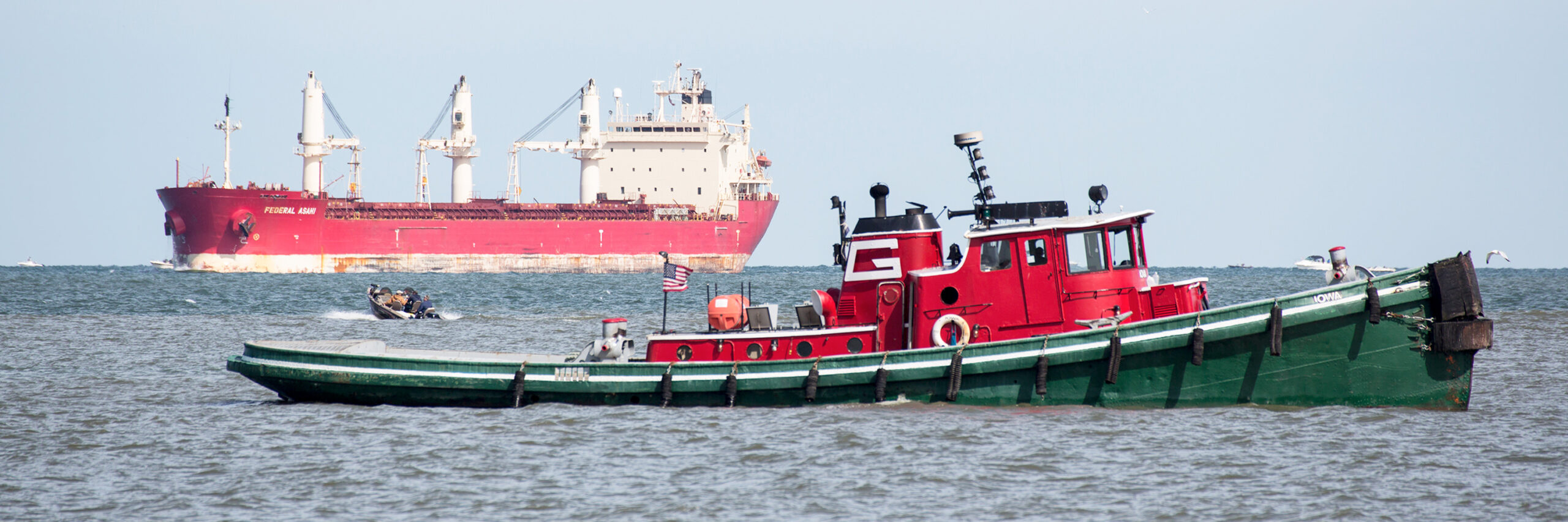
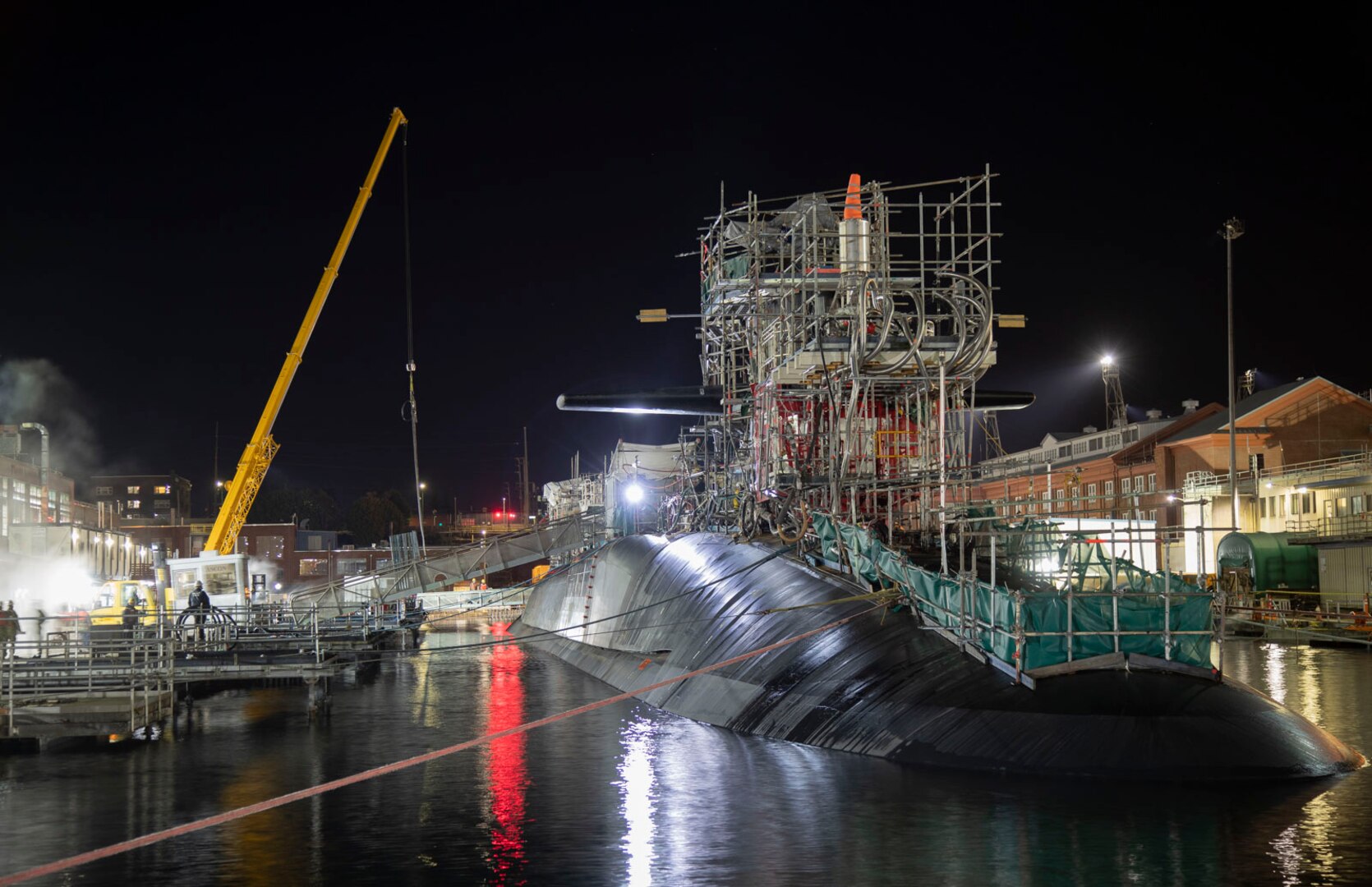
When Saltwater Meets Electricity
Marine and offshore environments are uniquely hostile to electrical equipment. Salt-laden air penetrates enclosures. Constant vibration from engines and wave action loosens connections. Temperature swings from engine rooms to weather decks stress components. UV radiation degrades plastics and rubber.
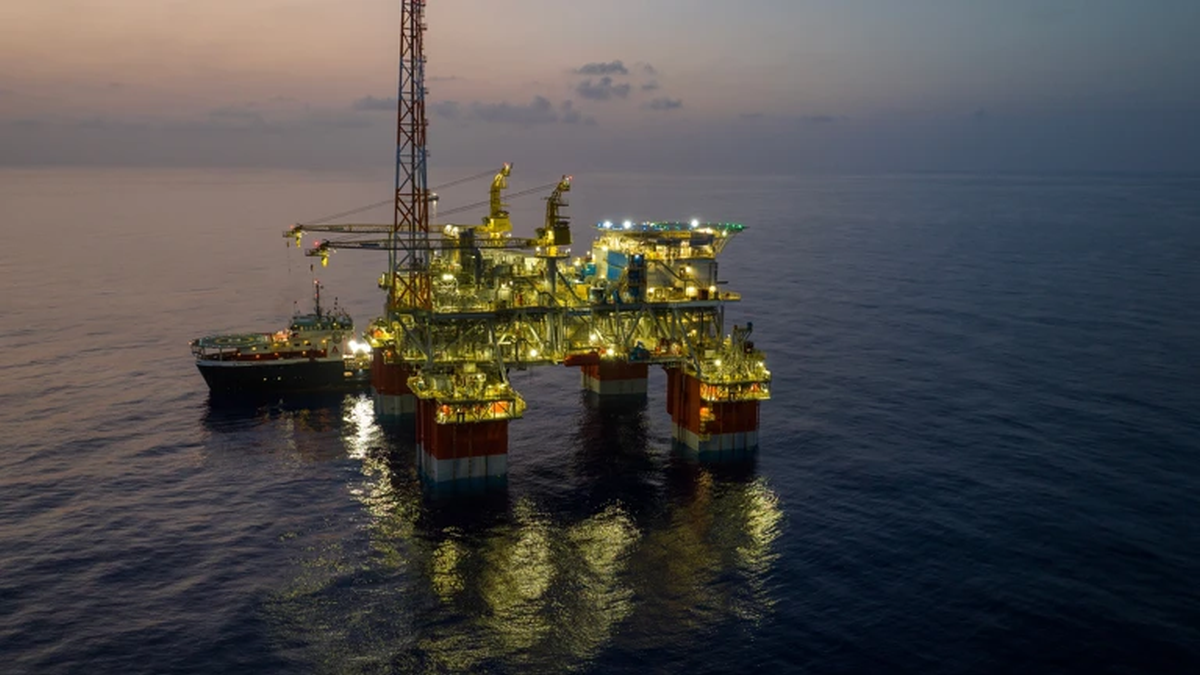
Offshore oil and gas platforms require complex process control and safety systems.
- Marine-Rated VFDs – conformal coated, ABS/DNV approved
- Contactors & Starters – 316 SS enclosures, marine duty
- Overload Relays – ambient-compensated for engine room temperatures
- Soft Starters – reduced starting current for generator-powered systems
- Reversing Contactors – thruster and winch applications
- Field devices: Sensors, transmitters, valve actuators (intrinsically safe or explosion-proof)
- I/O systems: Remote I/O marshalling panels (often pressurized enclosures)
- PLCs/DCS: Process control logic, often redundant (fault-tolerant)
- SCADA/HMI: Operator interface, trending, alarm management
- Emergency shutdown (ESD): Safety-certified systems (SIL-rated)
- Pressure transmitters: 4-20mA, HART, wireless (explosion-proof or IS)
- Temperature sensors: RTD, thermocouple (hazardous area-rated)
- Level measurement: Radar, ultrasonic, guided-wave radar (explosion-proof)
- Flow meters: Magnetic, Coriolis, ultrasonic (hazardous area certification)
- Gas detection: Combustible gas (LEL), toxic gas (H₂S, CO), oxygen deficiency
Offshore cranes handle critical and often hazardous loads (tubulars, BOP equipment, supplies).
- Motor controls: Hoisting, luffing, slewing motors (VFD or multi-speed starters)
- Operator controls: Pendant stations, radio remote controls (explosion-proof in some areas)
- Load monitoring: Load cells, boom angle sensors, anti-collision systems
- Safety interlocks: Load limiters, emergency stops, two-block prevention
- API 2C specification: American Petroleum Institute standard for offshore pedestal cranes
- Dynamic load conditions: Heave compensation for lifts to/from vessels
- Hazardous area compliance: Class I, Division 2 typical for drilling/production areas
- Redundancy: Critical cranes may have redundant brakes, limiters
Marine vessels and offshore platforms have areas where flammable gases, vapors, or combustible dusts may be present:
- NEMA 4X Stainless Steel – 316 SS, suitable for weather deck
- Explosion-Proof (Class I, Div 1) – cast aluminum or copper-free aluminum Increased
- Safety “e” (Zone 1) – terminal boxes, junction boxes
- Polycarbonate Enclosures – clear or gray, impact and UV resistant
- Custom Fabrication – large stainless steel panels, switchboards
- Class I, Division 1: Flammable gases/vapors present continuously or periodically
- Class I, Division 2: Flammable gases/vapors present only under abnormal conditions
- Examples: Tank spaces, pump rooms, engine rooms (depending on fuel type and ventilation)
- Zone 0: Explosive atmosphere present continuously (>1000 hours/year)
- Zone 1: Explosive atmosphere likely during normal operation (10-1000 hours/year)
- Zone 2: Explosive atmosphere unlikely, or if present only briefly (<10 hours/year)
- Explosion-Proof Enclosures (Division 1):
- Principle: Contain explosion within enclosure, prevent ignition of external atmosphere
- Construction: Heavy cast housing, threaded conduit entries, flame paths in joints
- Applications: Motor starters, junction boxes, lighting in Division 1 areas
- Maintenance: Never open enclosures in hazardous atmosphere (de-energize first)
- Increased Safety “e” (IEC System):
- Principle: Prevent sparks and high temperatures through enhanced design
- Construction: High IP rating, increased clearances, temperature monitoring
- Applications: Motors, junction boxes, terminal boxes in Zone 1/2
- Advantage: Less expensive than explosion-proof, suitable for many applications
- Intrinsically Safe (IS) Systems:
- Principle: Limit electrical energy to below ignition threshold
- Components: IS barriers (Zener diodes), isolated power supplies, entity-approved devices
- Applications: Instrumentation, sensors, communication in Division 1/Zone 0 areas
- Advantage: Can be serviced in hazardous atmosphere (energy too low to cause ignition)
- Purged & Pressurized Enclosures:
- Principle: Maintain positive pressure inside enclosure with clean air (exclude hazardous atmosphere)
- Components: Air supply, pressure monitoring, interlocks prevent operation if pressure lost
- Applications: Large control rooms, analyzer shelters in Division 1 areas
- Standards: NFPA 496 (US), IEC 60079-2 (International)
Accurate measurement of water level, flow rate, and pressure is essential for process control, regulatory reporting, and asset protection.
- Pressure Transmitters – explosion-proof or intrinsically safe
- Temperature Sensors – RTD, thermocouple, marine-certified
- Level Sensors – radar, ultrasonic, guided-wave (hazardous area)
- Flow Meters – magnetic, ultrasonic, Coriolis (marine-rated)
- Gas Detection – LEL, H₂S, CO, O₂ (certified for hazardous areas)
Thrusters provide lateral maneuvering capability, critical for docking and station-keeping:
- VFDs: Variable frequency drives for speed control (soft start, precise thrust modulation)
- Joystick controllers: Proportional control for operator interface
- Contactors: Bypass/isolation for maintenance, directional control (reversible thrusters)
- Circuit protection: Short-circuit, overload, ground fault detection
- Conformal coating: Protect circuit boards from salt and humidity
- Marine-type approval: ABS, DNV-GL, Lloyd’s certification required
- Cooling: Fresh-air cooling with filters (not seawater-cooled VFDs)
- Harmonics: Line reactors or 18-pulse drives minimize electrical system distortion
Diesel-electric and all-electric propulsion systems increasingly common.
- High power: 500 kW to 5+ MW per drive
- Marine certification: Type-approved by classification societies
- Redundancy: N+1 configuration for critical vessels (offshore supply vessels, DP-2/DP-3 ships)
- Four-quadrant operation: Forward/reverse, motoring/regeneration
Marrine electrical systems require robust power distribution designed for continuous operation and fault protection:
- Marine Circuit Breakers – USCG/ABS-approved
- Bus Bars & Terminal Blocks – tin-plated copper, high-current
- Generator Control Panels – synchronizing, load sharing, metering
- Shore Power Equipment – frequency converters, cable reels, ground fault detection
- Battery Chargers – float/equalize, temperature-compensated
- Circuit breakers: Molded-case or air circuit breakers with thermal-magnetic or electronic trip
- Bus bars: Copper or tin-plated copper (silver-plated for high-current applications)
- Instrumentation: Voltmeters, ammeters, frequency meters, synchroscope (for paralleling generators)
- Metering: Power quality monitoring, load management, fuel consumption tracking
Marine vessels typically have multiple generators for redundancy and load management.
- Automatic start/stop: Based on load demand or emergency conditions
- Synchronizing controls: Voltage, frequency, phase matching for paralleling
- Load sharing: Active/reactive power distribution between parallel generators
- Reverse power protection: Prevent generator from motoring (consuming power instead of generating)
- Generator circuit breakers: Electrically-operated, reverse-power protective relays
- Bus-tie breakers: Connect/isolate generator buses for flexible configuration
- Synchronizing equipment: Synchroscope, sync-check relays (manual or automatic)
- Load shedding: Shed non-essential loads during generator failure or overload
Serving Great Lakes & Offshore Operations
Ready to Build, Upgrade, or Replace?
We help engineers, contractors, and buyers navigate procurement with responsive quoting, legacy cross-referencing, and access to hard-to-source components from trusted suppliers.