

Hazardous Location Electrical Components | Class I Div 1/2
Petrochemical & Hazardous Locations

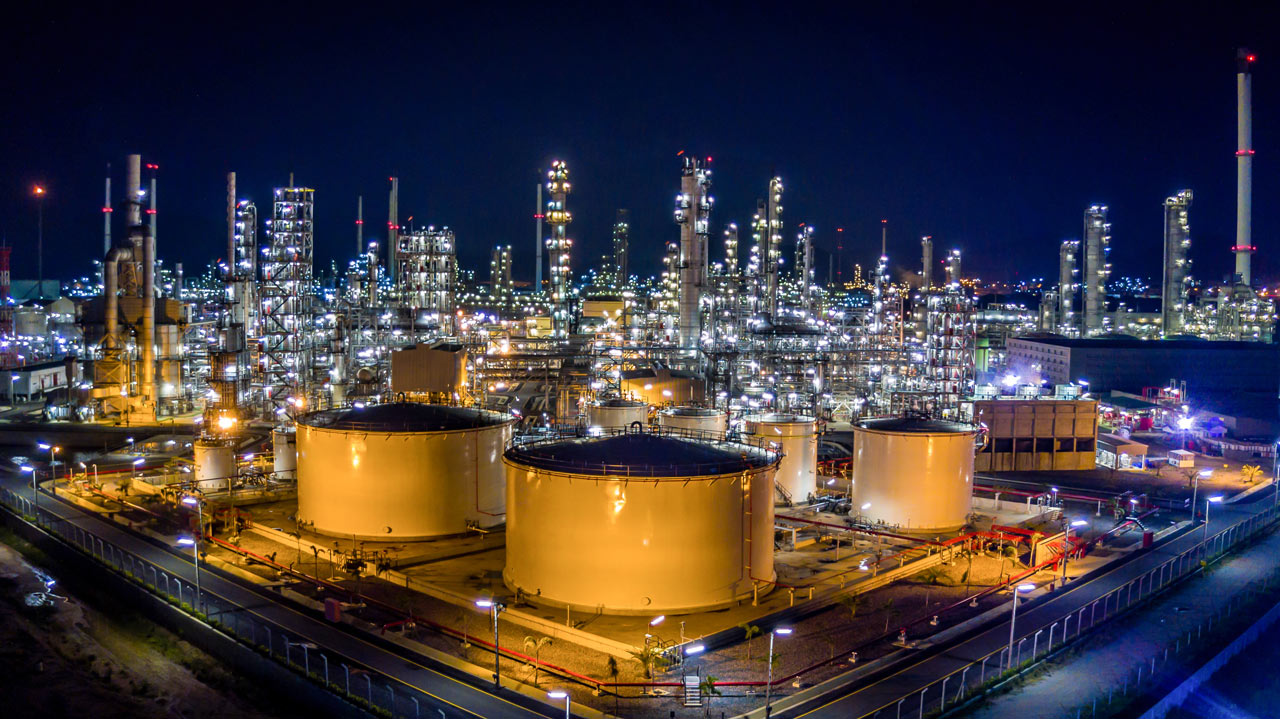

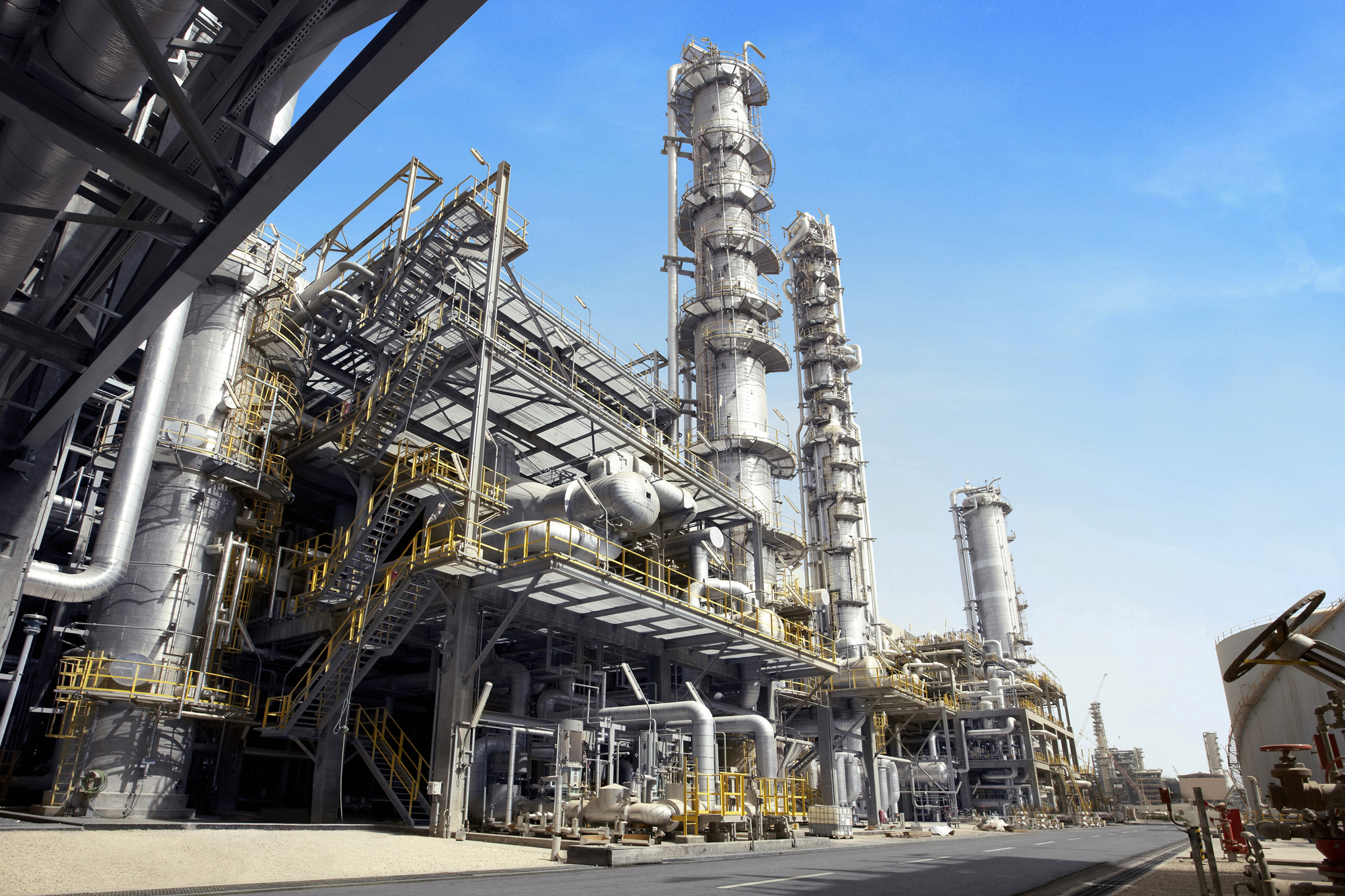


First Line of Defense
In petrochemical facilities, refineries, chemical plants, and other hazardous locations electrical failure doesn’t just mean downtime. It means potential explosion, fire toxic release, injury, death, and environmental devastation. We understand Class I Division I life safety components. We’ve worked with engineers who specific these systems, contractors who install them, and maintenance teams who keep them running.
Explosion-proof and intrinsically safe electrical components for petrochemical, refining, and hardarous lcoations. NEC Article 500, Class I/II/III, Division 1/2
- Cast Aluminum Junction Boxes – various sizes, hubs, blank or with terminals
- Explosion-Proof Motor Starters – contactors, overloads, disconnect switches
- XP Push-Button Stations – start/stop, E-stop, pilot lights
- XP Lighting Fixtures – LED or high-intensity discharge (HID)
- Union and Sealing Fittings – EYS, EYD, EYSA drain fittings
- Threaded entries: 5 threads minimum engagement for conduit (prevents flame path leakage)
- Flat joint flanges: Precise gap dimensions and surface finish (flame path cooling)
- Internal clearances: Limit pressure buildup from explosion
- Material strength: Cast aluminum or brass (steel uncommon due to sparking risk)
- Barriers (Zener diode type): Simple, passive protection in safe area
- Isolated power supplies: Active devices providing intrinsically safe power
- Entity-approved field devices: Sensors, transmitters certified for specific IS parameters
- Blue color coding: Intrinsically safe circuits use blue terminals, conduit, junction boxes
- Air supply: Compressed air (instrument air, filtered and dried) or blower
- Pressure switches: Monitor enclosure pressure, interlock with equipment power
- Purge timer: Ensure adequate air exchanges before energizing (Type X only)
- Alarm system: Alert operators if pressurization fails
Marine vessels and offshore platforms have areas where flammable gases, vapors, or combustible dusts may be present:
- Explosion-Proof Motors – TEEP, various sizes, appropriate T-class
- Division 2 Motors – TEFC, non-sparking, suitable T-class
- XP Motor Starters – magnetic, manual, combination (disconnect+starter)
- Conduit Sealing Fittings – vertical/horizontal, various hub sizes
- Division 1 Motors (Class I):
- Totally enclosed, explosion-proof (TEEP or XP)
- Motor enclosure withstands internal explosion and prevents external ignition
- Expensive: 2-4x cost of standard industrial motor
- Breather drains and flame paths must be maintained
- Division 2 Motors (Class I):
- Totally enclosed (TE), totally enclosed fan-cooled (TEFC), or open drip-proof (ODP) acceptable
- No special explosion-proof construction required
- Must not produce sparks or arcs during normal operation
- Enclosure prevents accumulation of gases inside motor
- Temperature Classification:
- Motor surface temperature must not exceed T-class for substance present
- Continuous operation at rated load determines surface temperature
- Overload conditions can exceed T-class (overload protection critical)
- Conduit Seals Required:
- Within 18 inches of motor terminal box (prevent gas migration to safe area)
- Sealing fitting with appropriate sealing compound (not regular duct seal)
- DIvision 1 Motor Starters:
- Entire starter in explosion-proof enclosure (contactors, overloads, disconnects)
- Enclosures heavy and expensive (cast aluminum or steel)
- Cannot be opened in hazardous atmosphere for troubleshooting
- Division 2 Motor Starters:
- Standard NEMA or IEC starters acceptable if non-sparking under normal conditions
- Hermetically sealed contactors preferred (some manufacturers offer Division 2-rated standard starters)
- Control circuits may require sealing if from non-hazardous area
- Variable Frequency Drives (VFDs):
- VFDs NOT suitable for Division 1 location (too much heat, cooling requirements)
- Division 2: Some manufacturers offer Division 2-rated VFDs (conformal coating, sealed enclosures)
- Preferred: Locate VFD in safe area, run motor cable to Division 1/2 motor
- Alternative: Purged MCC building containing VFDs (Type X or Y purge)
- Soft Starters:
- Similar to VFDs: typically located in safe area
- Bypass contactors may be located near motor (explosion-proof enclosure if Division 1)
- Vibration Sensors:
- Mounting on explosion-proof or increased-safety motor frame acceptable
- Transmitters can be IS, XP, or located in safe area
- Bearing Temperature:
- RTD sensors intrinsically safe (with barriers) or explosion-proof
- Critical for large motors and compressorsotor Starters:
- Pressure Transmitters – explosion-proof or intrinsically safe
- Temperature Sensors – RTD, thermocouple, marine-certified
- Level Sensors – radar, ultrasonic, guided-wave (hazardous area)
- Flow Meters – magnetic, ultrasonic, Coriolis (marine-rated)
- Gas Detection – LEL, H₂S, CO, O₂ (certified for hazardous areas)
- Intrinsically safe: 4-20mA output with IS barrier in safe area (most common)
- Explosion-proof: Integral transmitter in XP housing (Division 1 without IS barriers)
- Wireless: Battery-powered, intrinsically safe transmitters (reduce wiring cost)
- Pneumatic Actuators (Most Common):
- Air supply and position feedback are typically not classified as hazardous (instrument air)
- Valve positioner may be IS or XP depending on location
- Limit switches for valve position: IS or XP rated
- Electric Actuators:
- Motor and controls must be explosion-proof or located in safe area
- Position transmitters often intrinsically safe
- Less common than pneumatic due to higher power requirements
- Solenoid Valves:
- Pilot solenoids typically intrinsically safe (low power)
- Larger solenoids may require explosion-proof housings
- Consider using IS pilot solenoid to control larger pneumatic valve
Serving Petrochemical & Chemical Process Industries Since 1957
Ready to Build, Upgrade, or Replace?
We help engineers, contractors, and buyers navigate procurement with responsive quoting, legacy cross-referencing, and access to hard-to-source components from trusted suppliers.